Recent
Most read


We are now over a year into the Covid-19 pandemic and schools have incurred countless additional costs in order to keep their pupils and staff safe. Although money has been promised, mostÌýhave had to borrow from their own funds to operate in new ways.Ìý
And now that students are back in classrooms, the focus has turned to finding and closing any learning gaps incurred during the pandemic.ÌýSo how can schools achieve all this while balancing the books?
Professor Dylan Wiliam says that “raising the quality of teaching within existing schools is probably the single most effective thing we could do to promote both overall attainment and equity�.
Supporting teachers by providing regular, targeted opportunities for professional learning, development and reflection could be one of the best approaches for recovering any “lostâ€� learning.ÌýAnd it will cost lessÌýthan new gadgets or additional classes.
But the CPD can’t be a one-size-fits-all add-on;Ìýit must be supportive and in line with individual teacher need andÌýthe school improvement plan, which should have improvement of teaching and learning in the classroom at its core.
Read more: Why CPD needs whole-school buy-in but individual focus
Can CPD tackle staff wellbeing?
The added benefit here is that teachers who feel valued and supported report greater feelings of wellbeing and this, in turn, saves schools money by improving retention and absence rates.
If we’ve learnedÌýone thing over the past year, it is that learning can happen almost anywhere, and online delivery is now a tried-and-tested method.
Professional development has also changed course, with meetings and conferences moving online, makingÌýCPD moreÌýaccessible and on-demand, as we can attend sessions from afar and even at a time that suits us due to recordings.Ìý
According to , the most significant aspect of “student-centred leadershipâ€�Ìýis improving pupil outcomes through the development of teachers.
But leadership CPD is often overlooked. Improving teaching in the classroom must be the main focus from the top down and if leaders are not effectively trained to do this then outcomes will not improve.
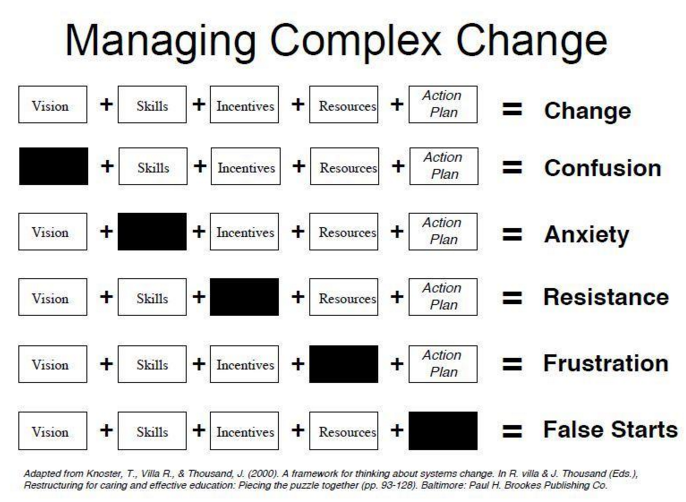
In their “dimensions of changeâ€�Ìýmodel,Ìý demonstrate that both the vision and the skillsÌýmust be present in order for leaders to make successful changes and developments, and to avoid costly false starts or anxiety.
Scalby School in North Yorkshire is one school that places professional development for staff at the centre of its improvement plan, offering incremental coaching and high-quality training at all levels. The Ìý
HeadteacherÌýMichael McCluskieÌýasserts that “if leaders themselves are not recipients of purposeful training then a school is left with a strategic planÌýbut without the skills within the leadership team to implement it successfullyâ€�.ÌýÌý
High-quality, effective CPD at all levels not only saves money, it represents the best value for money, as it enables schools to drive improvement for all.
Joanne Tiplady isÌýcurriculum and research lead for TEAL Trust and the Wolds Associate Research School and teaches at South Hunsley School in East Yorkshire