
Nothing found
Recent
Most read


We are hurtling towards the end of the school year on our last threads but my Year 9s are reading their own and each other鈥檚 poems aloud.
There is snapping and clapping, solemn 鈥渉mmms鈥� of recognition, and the occasional splurt of 鈥淕o on, read the cat rap!鈥� or 鈥淒o the one about Crystal Palace and Brighton fans!鈥�
They have forgotten that I am here.聽
Quick read:聽鈥楬ow writing poetry worked wonders for my wellbeing鈥�
Quick listen:聽Inference: why comprehension is not just about vocabulary and knowledge聽
Want to know more?聽Why teachers play a vital role in our sharing culture
For a year now, these Year 9s have been regularly reading from our new poetry library (a box of pamphlets, collections聽and anthologies of new and old voices), and -聽following a few teacher-led writing workshops -聽they have each created a selection of their own poems on a topic of their own choosing.聽
What鈥檚 been on their minds? Deep sea diving, American football, fast food, the horrors of empire, being black, memories of Serbia, the clarinet, outer space, the Vietnam war, fears of the dark, binary code聽and cats.
The students are now seeing themselves and each other as artists. About time, too.聽
We鈥檝e done all the rest of the work -聽the texts, the essays, the end-of-year test -聽but we鈥檝e also made time for this poetry project. And it has paid off.
Throughout my first decade in teaching, I have seen how increasing pupil exposure to poetry, particularly at KS3, raises performance in English and specifically in pupils鈥� ability to understand and analyse metaphor, figurative language聽and subtext with more confidence.聽
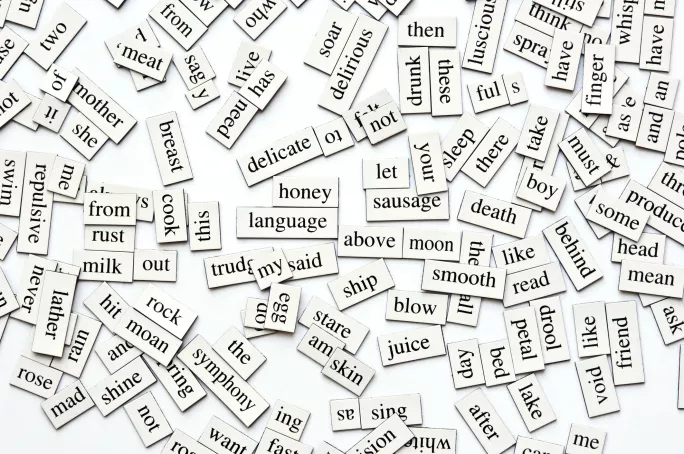
But poems can do much more than that. They can be release valves in the time-pressured curriculum. Reading or listening to them places a particular demand on us; our higher cognitive functions are engaged when we encounter figurative language and metaphor, as we search for parallels, connections between their ideas and our experiences.
Poems train the ear to listen and the eye to see more than any other text type that I teach.聽
So how do you motivate young people to write poetry?聽 Find arresting prompt material, make clear that all must write, that no one will be forced to share their words aloud.
Let them hook into the prompt (with or without your guidance), and keep the exercises short. Three minutes per piece is plenty. It generates urgency.聽
No, it doesn鈥檛 need to rhyme. No, it doesn鈥檛 have to be punctuated. Yes, it can be short. Yes, you can use whatever words you want. Really.
Don鈥檛 waste time discussing it, do it. If all pens are to the page, everyone is involved: if pupils want to write in their mother tongue, even better.
But how to begin?
Project a poem, dish photocopies round, use visual or auditory prompts of your choosing. Read a poem or play a good song to begin or end a lesson, or to transition between activities or topics. Find whole-school arenas like assemblies to do the same and to mark National or World Poetry Day.聽
Embed that rich culture at every opportunity. Engage colleagues beyond the English department with the benefits of poetry; ask physics and geography teachers to get pupils using subject specific language to write poems about electricity and climate change.聽
Speak to your pastoral heads about how poetry writing contributes towards provision for mindfulness in the curriculum, to parents about the enormous wellbeing benefits of private reading, reflection聽and creative writing.聽
Poems are in books, on posters, on websites, on YouTube and Instagram; the art form is in rude health and is burgeoning in festivals and book sales; let鈥檚 get it back up to speed in our schools too.聽
Though you can book a poet to come into school -聽what a brilliant opportunity -聽try to instil聽quiet and regular opportunities to nurture your writers (which is all pupils): a lunchtime creative writing club, and a poem of the week for form time.
Hold a poetry competition, award a pupil the role of school laureate to reflect on school events or to be the 鈥減upil voice鈥� of the year group. Let them write what they need to say.聽
We don鈥檛 want our pupils to be imitators or risk-averse, compliant box-tickers. Remember, they are artists. Let them read poetry pamphlets and full-length collections so they can experience a poetry 鈥渁lbum鈥� before the GCSE anthology 鈥渕ixtape鈥�.聽
Use poems as launchpads into worlds of enquiry and celebrate pupils鈥� writing as much as you can. Pause the curriculum and respond to events in our world as they occur, to remind pupils that art is an instinctive response, a means for trying to make sense of things that happen.聽
Don鈥檛 be scared about disclosures or vulnerable things coming to light. Thank goodness that it does: young people have much to say and who, if not us, is listening?
Ben Bransfield is an English teacher at King鈥檚 College School Wimbledon